
← All plants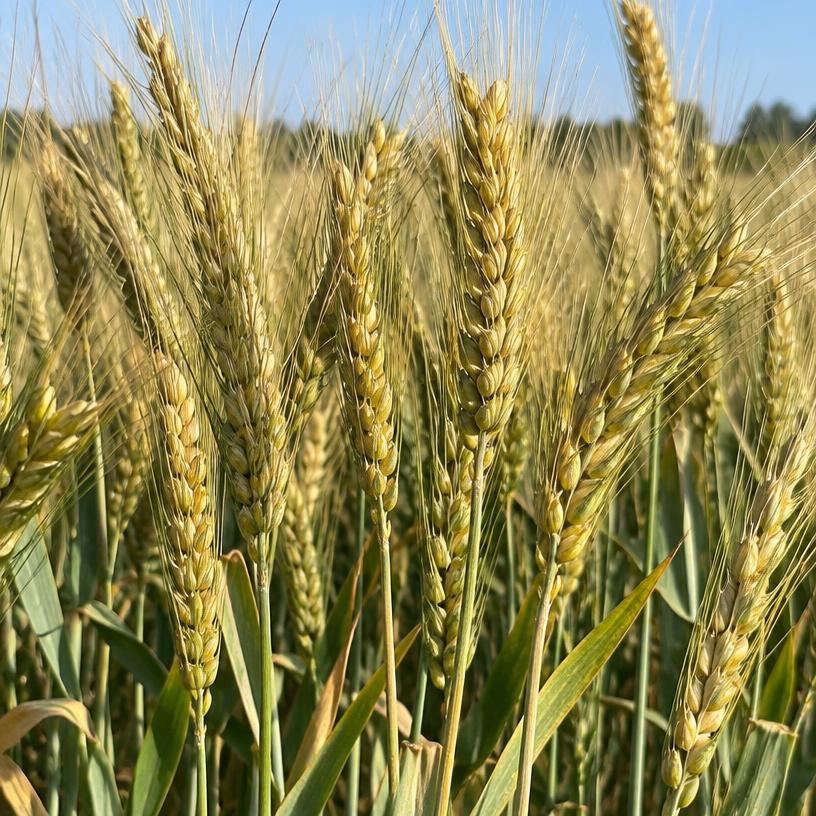
🌾
Grass
Triticale
Triticale combines wheat and rye traits and is widely grown for feed grain and forage. Use a locally adapted spring or winter cultivar in well-drained soil and manage nitrogen to prevent lodging.
- Sun
- Full sun
- Water
- Keep moist through establishment and grain filling; avoid waterlogging
- Spacing
- Dense grain stand; use cultivar-specific row spacing and seeding rate
- First harvest
- Usually following summer from autumn sowing; cultivar-dependent
Tips
- Sow into a firm, weed-free seedbed; use the seed supplier’s depth and seeding rate, generally about 1 inch deep for small grains.
- Use a soil test for fertilizer; excess nitrogen promotes lodging and can lower grain quality.
- Keep weeds down early and water during heading and grain filling if rainfall is insufficient.
- Inspect heads for ergot, smut or mold; segregate suspect grain and seek testing before food or feed use.
- Cut when kernels are firm and mature, then thresh, clean and dry to the crop’s safe storage moisture.
- Wheat, barley, rye and triticale contain gluten; oats require appropriate purity controls for gluten-free use.
Spring and winter cultivars differ; follow local grain-production planting dates, not forage-cutting schedules.
Good companions
—
Keep apart from
—